Elimination Diets for Australian Shepherds With Suspected Food Allergies
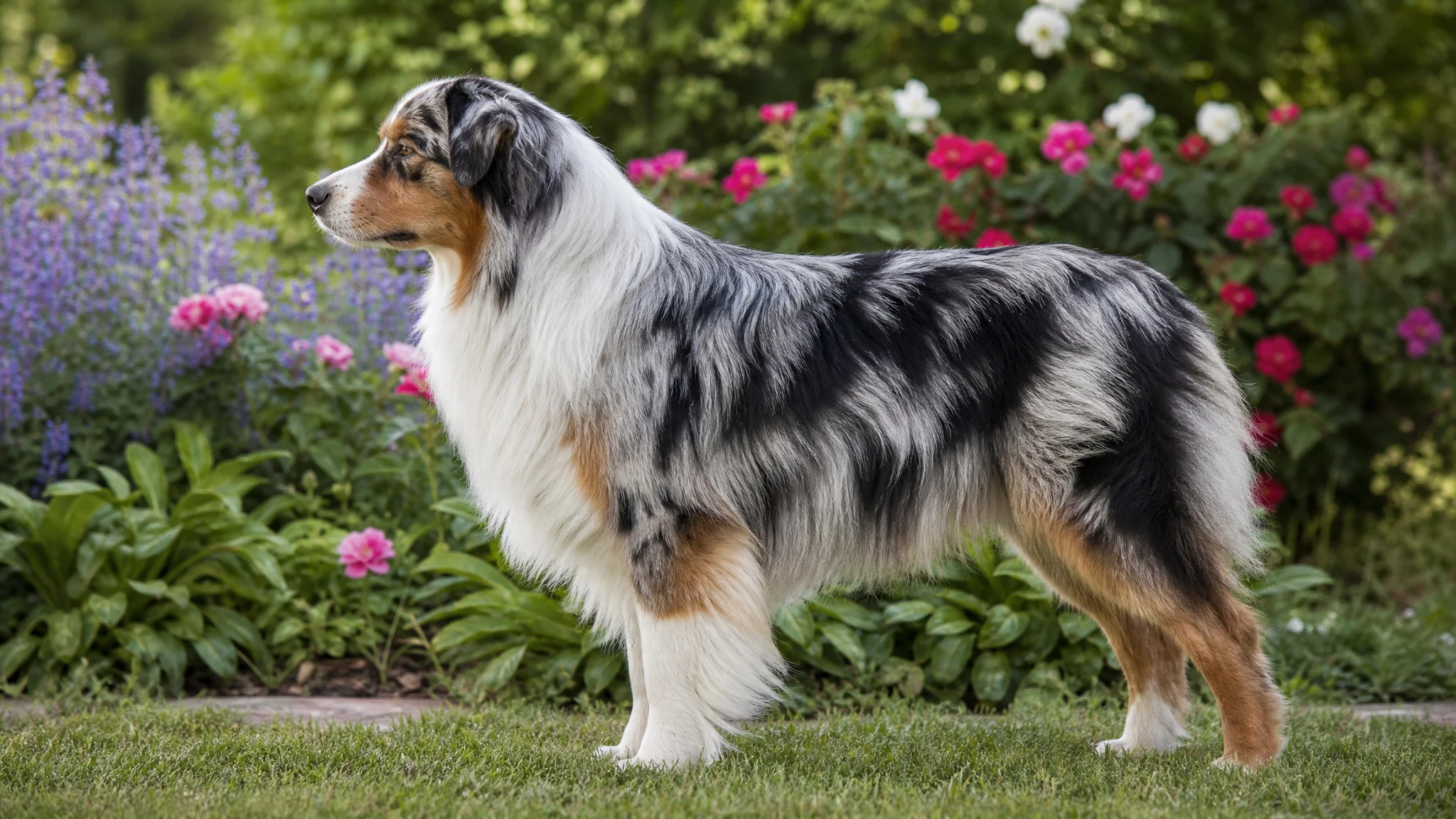
General nutrition information compiled from product labels and published sources, not veterinary advice. Your veterinarian is the right person to choose a diet for your dog, especially one with a health condition.
An itchy Aussie with a thick double coat is hard to read. Skin trouble, ear trouble and soft stools have many causes. Food is only one of them.
An elimination diet trial is the standard way to find out whether food plays a part. This guide walks through how a trial works, what you need, and the mistakes that most often spoil one. It is general information about Australian Shepherd food allergies. Your veterinarian decides what is right for your individual dog.
One caution first. We could not confirm from an opened veterinary or breed club source that Australian Shepherds are more prone to food allergies than other breeds. If a page claims they are, check it against your vet or a breed club.
What an elimination diet trial is
In a trial, your dog eats one carefully chosen diet, and nothing else, for a set period. Then you and your vet look at whether the signs changed. Later, old ingredients may be added back one at a time to see whether signs return.
A trial is a diagnostic tool. It does not treat or cure anything, and no food prevents allergies. The point is to learn something about your dog.
Before you start, ask your vet to rule out other causes. Fleas, mites, skin infections, ear infections and environmental allergies can all look like a food problem. A trial run on a dog with an untreated infection gives confusing results.
Materials you will need
- A veterinary visit and a written plan, including how long the trial should last
- The trial diet your vet chooses (see Step 2)
- A notebook or phone notes for a daily log
- Photos of any skin or ear problems, taken at the start and at regular points
- A kitchen scale or measuring cup, so portions stay consistent
- A list of everything your dog currently eats, including treats, chews and supplements
- Plain, trial-safe rewards for training, approved by your vet
- A sealed container so the trial food stays separate from other food in the house
Step-by-step: running the trial
Step 1. Write down everything your dog eats now
Include kibble, toppers, table scraps, dental chews, rawhide, flavored medications and any supplement. Read the label on each one. Hidden proteins are common. A "beef" dental chew or a chicken-flavored chewable pill can undo a trial.
Bring this list to your vet. It shows which proteins and carbohydrates your dog has already met, which matters for the next step.
Step 2. Let your vet choose the trial diet
Vets generally use one of two approaches. One is a diet built on a protein your dog has not eaten before. The other is a hydrolyzed diet, where proteins are broken into small pieces. Prescription diets are something only a veterinarian prescribes, so this choice is not one to make from a pet store shelf.
Be careful with ordinary retail foods, even ones that look simple. The label data on the Royal Canin US product pages shows why. Royal Canin Medium Adult lists brewers rice, chicken by-product meal, oat groats, wheat and corn protein meal among its first ingredients. Royal Canin Medium Digestive Care lists chicken by-product meal, corn, brewers rice, chicken fat and brown rice. Foods like these contain several proteins and grains, so they make it hard to tell what a dog is reacting to. They are complete adult foods, but they are not built as trial diets.
Homemade trial diets are possible, but they need a vet's recipe so they stay complete and balanced. Do not improvise one, and do not add supplements on your own.
Step 3. Check the AAFCO statement
Whatever diet is chosen, look for the AAFCO nutritional adequacy statement on the label. It tells you which life stage the food is formulated for. For example, Royal Canin states that Medium Adult is formulated to meet AAFCO Dog Food Nutrient Profiles for maintenance.
Life stage matters if your Aussie is young. Royal Canin's breed page describes puppyhood as birth to 12 months for this breed. A growing puppy needs a food with a growth statement, so a trial for a puppy needs extra vet guidance.
Step 4. Transition, then go strict
Switch foods over several days unless your vet says otherwise, mixing in more of the new food each day. After that, the trial diet is the only food. No exceptions for a bite of cheese or a stolen crust.
Tell everyone in the household, including neighbors and visitors who might hand out treats. Aussies are quick learners and know exactly who gives snacks.
Step 5. Feed measured portions
Use the feeding guide on the label as a starting point only. Royal Canin, for example, notes that its guide is only a guide and that grams are more accurate than cups. Hill's tells owners to adjust amounts to maintain optimal weight and to ask a veterinarian if unsure.
Weigh your dog at the start and during the trial. Your vet can help you adjust the amount if your dog is losing or gaining weight.
Step 6. Keep a daily log
Each day, note itching, ear scratching, paw licking, stool quality, vomiting and energy. Add a simple 0 to 10 itch score. Photos every week or two help you compare changes you might otherwise forget.
Step 7. Give it the full length your vet sets
Do not judge the trial after a few days. Skin signs can take weeks to change, and your vet will set the length. Stopping early is the most common reason a trial gives no answer.
Step 8. Review with your vet and rechallenge
If signs improved, your vet may suggest adding one old ingredient back for a set period and watching for a return of signs. This is called a rechallenge. Only one change at a time keeps the result readable.
If nothing changed, that is still useful. It may point away from food and toward another cause.
Tips that make a trial easier
- Check medications. Ask whether any flavored pills or preventives contain food proteins. Also remember that Australian Shepherds can carry the MDR1 gene variant, which causes sensitivity to certain drugs. The Orthopedic Foundation for Animals (OFA) explains multiple drug sensitivity. Always tell your vet about it before any new medication, including skin treatments.
- Use the same bowl and measure. Consistency makes the log easier to trust.
- Plan treats ahead. Many owners use small pieces of the trial food itself, if your vet agrees.
- Watch chews and toys. Flavored chew toys, rawhide and some toothpastes contain proteins.
- Keep other pets apart at mealtime. Shared bowls and dropped food ruin results.
Common mistakes to avoid
- Starting before other causes, such as fleas or infection, are ruled out
- Choosing a food by its front-of-bag claims instead of the full ingredient list
- Assuming "grain-free" means "allergy-friendly." Grain-free is a marketing term, not a trial diet. The FDA's page on its canine dilated cardiomyopathy (DCM) investigation says its latest update is dated December 23, 2022, and that report numbers are not proof of cause. Ask your vet before choosing a grain-free food for any reason.
- Changing several things at once, such as food, shampoo and medication
- Quitting early or "just this once" cheating
- Adding supplements without your vet's guidance
- Skipping the rechallenge, then never learning which ingredient matters
What results to expect
Results vary a lot between dogs. Some dogs show less itching or fewer stool problems over several weeks. Others show no change, which can mean food is not the main driver. A trial may help your vet narrow down the cause, but it cannot promise an answer.
Stable signs on the trial diet and a return of signs after a rechallenge may suggest a food sensitivity. Your vet makes that call, not a label or a website.
After the trial
If an ingredient is identified, your vet will help you pick a long-term complete diet that avoids it. Read labels closely for that ingredient, including meals, fats and by-products, since the name can appear in several forms. For a wider view of what matters in your dog's bowl, see our guide to Australian Shepherd nutrition and the diet factors that matter.
How we approached this: we compared label data published on the brands' own pages. We did not run feeding trials or taste tests, and we did not test any food on dogs.
Sources
- Royal Canin, Medium Adult Dry Dog Food
- Royal Canin, Medium Digestive Care Dry Dog Food
- Royal Canin US breed library, Australian Shepherd
- Hill's Science Diet, Adult Large Breed
- Orthopedic Foundation for Animals, Multiple Drug Sensitivity
- FDA CVM, Investigation into Potential Link between Certain Diets and Canine DCM